
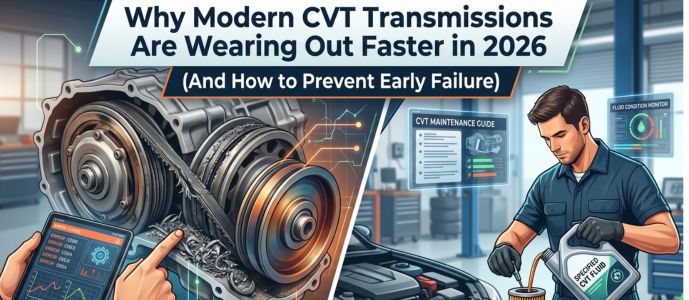
Why Modern CVT Transmissions Are Wearing Out Faster in 2026 (And How to Prevent Early Failure)
Continuously Variable Transmissions, commonly known as CVTs, have become increasingly popular in modern vehicles because of their smooth driving experience and improved fuel efficiency. In 2026, many automakers continue using CVT technology in sedans, SUVs, and hybrid vehicles to meet stricter fuel economy and emissions standards. However, despite their advantages, a growing number of drivers are reporting early CVT transmission failures and rising repair costs.
Many vehicle owners now experience:
- Delayed acceleration
- Jerking while driving
- Transmission overheating
- Whining noises
- Sudden power loss
- Premature transmission wear
As CVT repair costs continue increasing, drivers are also exploring affordable replacement options such as used transmissions with warranty coverage and reliable drivetrain components paired with used automobile engines for long-term vehicle restoration.
This guide explains why modern CVT transmissions are wearing out faster in 2026 and how drivers can prevent expensive early failures.
What Makes CVT Transmissions Different?
Unlike traditional automatic transmissions that use fixed gears, CVTs operate using:
- A steel belt or chain
- Variable pulleys
- Electronic control systems
Instead of shifting between gears, the CVT continuously adjusts gear ratios to deliver smoother acceleration and improved fuel efficiency.
Benefits of CVTs include:
- Better fuel economy
- Smooth acceleration
- Reduced engine strain
- Lightweight design
However, the same technology that improves efficiency also creates unique wear challenges.
Why CVT Failures Are Increasing in 2026
Several modern driving conditions are contributing to faster CVT wear.
Heavier Vehicles and More Power
Modern vehicles are larger and more powerful than older models. Many compact SUVs now combine:
- Turbocharged engines
- Hybrid systems
- Heavy vehicle weight
CVTs often struggle under increased torque and load demands.
Stop-and-Go Traffic
Urban traffic conditions place constant stress on CVT systems. Continuous acceleration and deceleration create excessive heat and strain on:
- Belts
- Pulleys
- Bearings
- Hydraulic systems
Longer Ownership Cycles
Because vehicle prices continue rising in 2026, many drivers keep cars much longer than before. Higher mileage increases the likelihood of CVT wear and internal damage.
Common Warning Signs of CVT Problems
Recognizing early warning signs can help drivers avoid complete transmission failure.
Delayed Acceleration
One of the most common symptoms is hesitation when pressing the accelerator. The engine may rev higher while the vehicle struggles to gain speed.
Jerking or Shuddering
CVTs are designed to provide smooth operation. If drivers feel:
- Shaking
- Jerking
- Vibrations
during acceleration, internal wear may already be occurring.
Overheating Warnings
CVTs generate significant heat during operation. Overheating can damage internal components rapidly if not addressed early.
Whining or Humming Noises
Unusual noises from the transmission area often indicate:
- Belt wear
- Pulley damage
- Bearing failure
Ignoring these sounds may lead to severe internal transmission damage.
Transmission Slipping
Drivers may notice inconsistent acceleration or sudden RPM spikes while driving. This often signals belt slippage inside the CVT system.
Heat Is the Biggest CVT Enemy
Heat remains one of the primary reasons CVTs wear out prematurely.
Modern driving conditions such as:
- Towing
- Mountain driving
- Heavy traffic
- High temperatures
place additional stress on transmission fluid and internal components.
Once transmission fluid degrades, lubrication weakens and internal wear accelerates quickly.
Why Maintenance Is More Important Than Ever
Unlike older traditional transmissions, CVTs require very specific maintenance schedules. Important maintenance includes:
- Regular CVT fluid changes
- Cooling system inspections
- Software updates
- Transmission diagnostics
Many drivers mistakenly believe transmission fluid lasts forever, but delayed fluid service is one of the biggest causes of early failure.
Low-Quality Transmission Fluid Can Cause Damage
CVTs require specially designed transmission fluid. Using incorrect or low-quality fluid can result in:
- Overheating
- Belt slipping
- Hydraulic pressure problems
- Premature wear
Always use manufacturer-recommended transmission fluid for CVT systems.
Why Repairs Are Becoming So Expensive
Modern CVTs are extremely complex and often difficult to rebuild.
Repairs may involve:
- Electronic control modules
- Specialized pulleys
- Steel belt systems
- Advanced calibration software
In many cases, replacing the entire transmission becomes more practical than rebuilding individual components.
Unfortunately, new CVT replacement costs continue rising sharply in 2026.
Growing Demand for Used Transmissions With Warranty
To reduce repair expenses, many vehicle owners now choose used transmissions with warranty coverage.
Benefits include:
- Lower replacement costs
- OEM compatibility
- Faster availability
- Warranty protection
A properly inspected used transmission can restore vehicle performance at a fraction of the cost of a new unit.
Warranty-backed used transmissions also provide extra peace of mind for drivers concerned about long-term reliability.
Relationship Between Engines and CVT Wear
Engine performance directly affects transmission lifespan. Poorly maintained engines may create:
- Uneven power delivery
- Excessive torque strain
- Increased transmission stress
For this reason, some vehicle owners also consider replacing aging drivetrain systems with reliable used automobile engines when performing major transmission repairs.
Pairing a healthy engine with a properly functioning CVT helps improve overall drivetrain reliability.
Why Hybrid Vehicles Increase CVT Stress
Hybrid vehicles often place additional demands on CVT systems because:
- Electric motors deliver instant torque
- Frequent stop-start driving increases load
- Regenerative braking changes drivetrain behavior
As hybrid popularity grows in 2026, CVT-related repairs are also becoming more common.
Driver Habits That Shorten CVT Lifespan
Certain driving behaviors increase transmission wear significantly. Common mistakes include:
- Aggressive acceleration
- Heavy towing
- Ignoring warning lights
- Delaying fluid changes
- Driving while overheating
Gentle driving habits help extend CVT lifespan considerably.
How to Prevent Early CVT Failure
Drivers can reduce transmission problems by following several preventive steps.
Maintain Regular Fluid Changes
Fresh transmission fluid helps:
- Reduce heat
- Maintain hydraulic pressure
- Protect internal components
Avoid Excessive Heat
Reduce overheating risks by:
- Avoiding aggressive driving
- Limiting heavy towing
- Checking cooling systems regularly
Address Warning Signs Quickly
Early diagnosis often prevents major transmission damage and lowers repair costs.
Use Quality Replacement Components
If repairs become necessary, choosing reliable replacement parts and used transmissions with warranty protection can save significant money.
Why Modern Vehicles Are Harder to Repair
Today’s vehicles combine:
- Electronics
- AI-assisted driving systems
- Hybrid technologies
- Advanced software
This increased complexity makes drivetrain repairs more expensive and technically demanding.
Final Thoughts
Modern CVT transmissions are wearing out faster in 2026 due to increased vehicle weight, heavy traffic conditions, rising heat levels, and advanced drivetrain demands. Symptoms such as delayed acceleration, jerking, overheating, and whining noises should never be ignored.
As replacement costs continue rising, many smart drivers are turning to used transmissions with warranty options and reliable used automobile engines to restore vehicle performance affordably.
With proper maintenance, careful driving habits, and early diagnosis of warning signs, drivers can significantly extend CVT lifespan and avoid costly transmission failures in the future.