
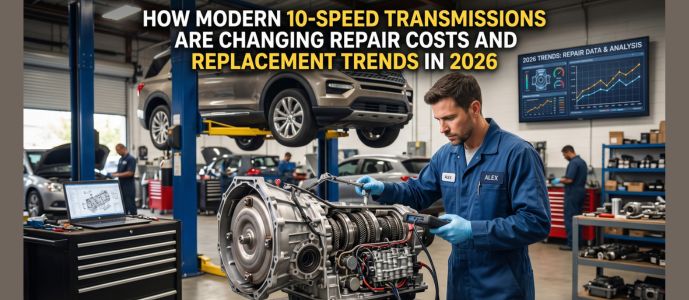
How Modern 10-Speed Transmissions Are Changing Repair Costs and Replacement Trends in 2026
The automotive industry has undergone significant technological advancements over the past decade, and one of the most notable developments is the widespread adoption of 10-speed automatic transmissions. Designed to improve fuel economy, enhance acceleration, and optimize engine performance, these advanced transmissions have become common in trucks, SUVs, performance vehicles, and even some passenger cars.
While 10-speed transmissions offer numerous driving benefits, they have also introduced new challenges for vehicle owners and repair facilities. As these systems become more complex, repair costs are rising, diagnostic procedures are becoming more specialized, and replacement decisions are evolving. In response, many drivers are turning to used auto parts and used transmissions with warranty options to manage repair expenses without sacrificing reliability.
Understanding how modern 10-speed transmissions are influencing repair costs and replacement trends can help vehicle owners make informed maintenance and repair decisions in 2026.
Why Automakers Adopted 10-Speed Transmissions
Manufacturers introduced 10-speed transmissions to achieve several objectives:
- Improved fuel efficiency
- Better engine performance
- Smoother gear transitions
- Lower engine RPMs at highway speeds
- Enhanced towing capability
By offering a wider range of gear ratios, these transmissions allow engines to operate more efficiently under various driving conditions.
Major automakers have increasingly adopted 10-speed systems in:
- Pickup trucks
- Full-size SUVs
- Luxury vehicles
- Performance models
As a result, millions of vehicles on the road now rely on this advanced technology.
Increased Complexity Comes With a Cost
Although 10-speed transmissions improve performance, they also contain significantly more components than older designs.
These systems often include:
- Additional clutch packs
- Advanced valve bodies
- Multiple planetary gear sets
- Sophisticated electronic controls
- Adaptive shift programming
The increased number of moving parts creates more potential failure points.
When problems occur, repairs are often more complicated and expensive than those involving traditional 4-speed, 5-speed, or 6-speed transmissions.
Common 10-Speed Transmission Problems
As vehicles accumulate mileage, certain issues are becoming more common.
Frequently reported concerns include:
- Harsh Shifting: Drivers may notice abrupt or rough gear changes.
- Gear Hunting: The transmission repeatedly shifts between gears while driving.
- Delayed Engagement: Vehicles hesitate before entering drive or reverse.
- Valve Body Failures: Hydraulic control issues can affect shifting quality.
- Solenoid Problems: Electronic solenoids may fail or operate inconsistently.
- Software Calibration Issues: Programming errors sometimes affect transmission performance.
These problems can range from minor inconveniences to major repair concerns.
Rising Repair Costs in 2026
The complexity of modern transmissions has contributed to increasing repair expenses.
Several factors drive these costs:
- Specialized diagnostic equipment
- Advanced electronic components
- Increased labor requirements
- Higher replacement part prices
- Limited availability of certain components
In many cases, transmission repairs can exceed several thousand dollars.
This financial burden has encouraged consumers to explore more affordable alternatives.
Why Used Auto Parts Are Growing in Popularity
To manage rising repair costs, many vehicle owners are turning to used auto parts.
The automotive recycling industry has evolved significantly in recent years, offering:
- Better quality control
- Improved inventory systems
- Detailed vehicle histories
- Enhanced inspection procedures
Consumers increasingly recognize that quality used components can provide excellent value while reducing repair expenses.
The Growing Demand for Used Transmissions With Warranty
One of the biggest trends in 2026 is the increased demand for used transmissions with warranty coverage.
Warranty-backed used transmissions provide several advantages:
- Lower replacement costs
- Added peace of mind
- Improved buyer confidence
- Reduced financial risk
Many reputable suppliers now offer warranties that help protect consumers against unexpected issues.
This has made used transmission replacement a more attractive option than ever before.
How Transmission Technology Impacts Labor Costs
Modern 10-speed transmissions require specialized expertise.
Technicians must understand:
- Electronic control systems
- Adaptive learning functions
- Advanced diagnostics
- Software programming
Repair procedures often involve extensive testing and calibration.
As a result, labor costs continue increasing alongside component complexity.
Replacement vs Repair: A Growing Debate
When major transmission problems occur, vehicle owners typically face two options:
Repair the Existing Transmission
Advantages:
- Retains original unit
- Potentially lower cost for minor issues
Disadvantages:
- Multiple repairs may be required
- Costs can escalate quickly
Replace the Transmission
Advantages:
- Comprehensive solution
- Faster turnaround in some cases
- Improved reliability
Disadvantages:
- Higher upfront expense
Because repair costs can approach replacement costs, many owners now choose replacement solutions.
Why Warranty Coverage Matters
Transmission replacements represent a significant investment.
Warranty protection offers benefits such as:
- Repair reimbursement
- Replacement coverage
- Reduced ownership risk
- Greater confidence in component quality
Consumers increasingly prioritize suppliers offering used transmissions with warranty programs.
Fleet Operators Are Driving Demand
Commercial fleets are among the largest purchasers of replacement transmissions.
Fleet managers focus heavily on:
- Vehicle uptime
- Repair costs
- Reliability
- Long-term value
Many fleets utilize high-quality used transmissions to control operating expenses while maintaining dependable service.
This trend continues influencing the broader automotive repair market.
Improved Quality Standards in the Used Parts Industry
Modern automotive recyclers use advanced inspection methods including:
- Diagnostic testing
- Visual inspections
- Fluid analysis
- Mileage verification
These processes help ensure that replacement components meet performance expectations.
As a result, the reputation of used auto parts has improved substantially.
Environmental Benefits of Transmission Reuse
Reusing transmissions also supports sustainability goals.
Benefits include:
- Reduced manufacturing demand
- Lower resource consumption
- Less landfill waste
- Extended product lifecycles
Many consumers appreciate the environmental advantages associated with recycled automotive components.
Technology Is Improving Failure Prediction
Vehicle manufacturers increasingly use predictive maintenance systems.
These technologies monitor:
- Fluid temperature
- Shift performance
- Solenoid activity
- Component wear
Early detection allows drivers to address issues before major failures occur.
Predictive diagnostics may help reduce transmission repair costs in the future.
Future Trends for 10-Speed Transmissions
Industry experts expect continued innovation in transmission technology.
Emerging developments include:
- AI-assisted diagnostics
- Enhanced electronic controls
- Improved durability
- Smarter adaptive learning systems
- Advanced fluid monitoring
These innovations may improve reliability while reducing maintenance requirements.
Choosing the Right Replacement Transmission
When evaluating replacement options, consumers should consider:
- Compatibility
- Warranty coverage
- Supplier reputation
- Inspection documentation
Careful selection helps ensure long-term satisfaction and reliability.
Final Thoughts
Modern 10-speed transmissions have transformed vehicle performance, fuel efficiency, and driving dynamics. However, their increased complexity has also contributed to higher repair costs and more challenging maintenance requirements. As repair expenses continue rising in 2026, vehicle owners are increasingly turning to used auto parts and used transmissions with warranty to manage costs while maintaining reliable transportation.
With improved quality standards, stronger warranty programs, and growing consumer confidence, used transmission replacements are becoming one of the most practical solutions for addressing major drivetrain repairs. For drivers seeking affordability, reliability, and long-term value, the trend toward high-quality replacement transmissions is likely to continue gaining momentum.