
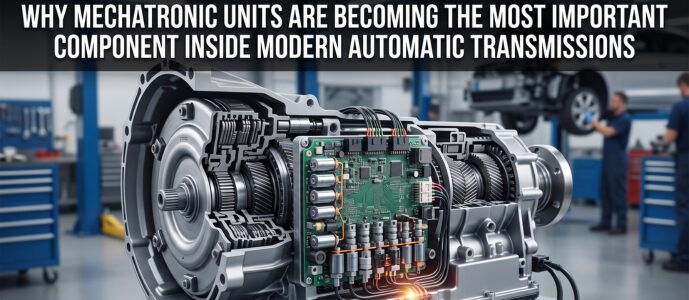
Why Mechatronic Units Are Becoming the Most Important Component Inside Modern Automatic Transmissions
Modern automatic transmissions rely heavily on mechatronic units to control gear changes, hydraulic pressure, and electronic communication. As vehicles become more advanced, these integrated control systems play a vital role in transmission performance and efficiency. When major transmission repairs are required, many drivers choose used transmissions with warranty and high-quality used auto parts to restore reliability while keeping repair costs manageable.
Table of Contents
- What is a mechatronic unit?
- Why modern transmissions depend on it
- Common causes of mechatronic failure
- Warning signs of a failing unit
- Preventive maintenance tips
- Choosing quality replacement parts
- FAQs
What Is a Mechatronic Unit?
A mechatronic unit is an advanced control module found in many modern automatic and dual-clutch transmissions. It combines electronic controls, hydraulic circuits, sensors, and solenoids into a single assembly that manages transmission operation.
Rather than relying solely on mechanical components, today’s transmissions use mechatronic technology to make thousands of real-time adjustments while driving.
The unit continuously communicates with the vehicle’s Engine Control Module (ECM) and Transmission Control Module (TCM) to ensure smooth and efficient gear changes.
Why Mechatronic Units Are So Important
Automatic transmissions have become significantly more sophisticated in recent years.
Modern vehicles demand:
- Faster gear shifts
- Better fuel efficiency
- Lower emissions
- Improved driving comfort
- Enhanced towing performance
The mechatronic unit makes these improvements possible by precisely controlling hydraulic pressure and shift timing.
Without it, modern transmissions cannot perform as designed.
How Mechatronic Units Work
The mechatronic unit receives information from multiple sensors throughout the vehicle.
These include:
- Vehicle speed sensors
- Engine RPM sensors
- Throttle position sensors
- Brake input sensors
- Transmission temperature sensors
Using this information, the unit determines:
- When to shift gears
- How much hydraulic pressure to apply
- Which clutch packs to engage
- How to optimize fuel efficiency
These adjustments occur almost instantly during normal driving.
Why Failures Are Becoming More Common
As transmission technology becomes increasingly complex, mechatronic systems are exposed to greater operating demands.
Common causes of failure include:
- Heat: High transmission temperatures can damage electronic circuits, sensors, and hydraulic components.
- Contaminated Transmission Fluid: Dirty transmission fluid may clog internal passages and interfere with hydraulic operation. Contamination can also damage sensitive solenoids inside the mechatronic assembly.
- Electrical Problems: Faulty wiring, poor electrical connections, or voltage fluctuations may disrupt communication between the mechatronic unit and other vehicle systems.
- Normal Wear: Over time, valves, seals, and solenoids naturally wear, reducing shift quality and overall transmission performance.
Symptoms of a Failing Mechatronic Unit
Early diagnosis can help prevent more expensive transmission damage.
Common warning signs include:
- Delayed gear engagement
- Rough or harsh shifting
- Gear slipping
- Transmission warning light
- Vehicle entering limp mode
- Poor acceleration
- Inconsistent shifting behavior
These symptoms should never be ignored, as continued driving may lead to additional internal damage.
Why Proper Maintenance Matters
Although mechatronic units cannot be completely protected from wear, proper maintenance greatly extends their lifespan.
Recommended maintenance includes:
- Regular transmission fluid changes
- Using manufacturer-approved transmission fluid
- Repairing fluid leaks promptly
- Preventing transmission overheating
- Performing diagnostic scans when warning lights appear
Routine inspections allow technicians to identify problems before they become severe.
When Replacement Becomes Necessary
If the mechatronic unit fails, repair options depend on the extent of the damage.
In some cases, replacing only the control unit is possible.
However, if contamination or internal wear has affected the entire transmission, replacing the complete assembly may be the most practical solution.
Many vehicle owners choose used transmissions with warranty because they offer dependable performance at a significantly lower cost than purchasing a brand-new transmission.
Why Used Auto Parts Continue to Grow in Popularity
The demand for professionally inspected used auto parts continues increasing as vehicle repair costs rise.
OEM recycled components provide several important advantages:
- Factory compatibility
- Lower replacement costs
- Proven engineering
- Environmentally responsible repairs
- Reliable long-term performance
Purchasing from reputable suppliers helps ensure consistent quality.
Choosing a Quality Replacement Transmission
When replacing a transmission, consider suppliers that provide:
- Warranty protection
- Mileage verification
- Functional testing
- Professional inspection
- Vehicle compatibility assistance
Choosing used transmissions with warranty offers added peace of mind while reducing the financial impact of major repairs.
The Future of Transmission Technology
Modern transmissions will continue evolving with advances in:
- Artificial intelligence
- Adaptive shift programming
- Predictive diagnostics
- Hybrid drivetrains
- Electrified powertrains
As these systems become more sophisticated, mechatronic units will play an even greater role in maintaining transmission efficiency and reliability.
Final Thoughts
Mechatronic units have become one of the most critical components inside modern automatic transmissions. By combining electronic intelligence with hydraulic precision, they enable smoother shifting, improved fuel efficiency, and better overall driving performance. However, their complexity also makes proper maintenance more important than ever.
Regular fluid servicing, early diagnosis of transmission issues, and prompt repairs can help extend the life of both the mechatronic unit and the transmission itself. When replacement becomes necessary, choosing used transmissions with warranty and professionally inspected used auto parts offers a practical, cost-effective solution that helps restore vehicle reliability without the expense of brand-new components.
FAQs
1 What does a mechatronic unit do?
A mechatronic unit controls gear shifting, hydraulic pressure, and communication between the transmission and other vehicle systems to ensure smooth operation.
2What causes mechatronic unit failure?
Common causes include overheating, contaminated transmission fluid, electrical faults, worn solenoids, and normal component wear.
3Can a faulty mechatronic unit damage the transmission?
Yes. Ignoring early symptoms can lead to additional internal transmission damage and more expensive repairs.
4Why choose used transmissions with warranty?
Used transmissions with warranty provide tested OEM replacement units with added protection, helping reduce repair costs while offering greater confidence in long-term performance.
5Are used auto parts reliable?
Professionally inspected used auto parts offer factory compatibility, dependable performance, and excellent value when purchased from trusted suppliers.