
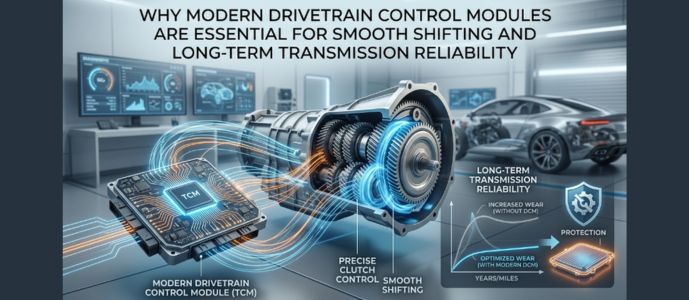
Why Modern Drivetrain Control Modules Are Essential for Smooth Shifting and Long-Term Transmission Reliability
Modern vehicles rely on sophisticated drivetrain control modules to coordinate communication between the engine, transmission, and other electronic systems. These intelligent controllers optimize gear changes, improve fuel efficiency, and protect critical drivetrain components from excessive wear. When major drivetrain repairs become necessary, investing in used transmissions with warranty and used engines with warranty can help restore factory-level performance while keeping repair costs manageable.
Table of Contents
- What is a drivetrain control module?
- How drivetrain control modules improve shifting
- Benefits for transmission reliability
- Common signs of module-related problems
- The importance of quality replacement components
- Preventive maintenance tips
- FAQs
What Is a Drivetrain Control Module?
A drivetrain control module (DCM), sometimes integrated with the powertrain control module (PCM), is an electronic unit that manages communication between the engine, transmission, and other vehicle systems.
It continuously analyzes data from numerous sensors, including:
- Engine speed
- Vehicle speed
- Throttle position
- Brake input
- Transmission temperature
- Gear position
- Load conditions
Using this information, the module determines the ideal time to shift gears and adjusts drivetrain performance in real time.
How Intelligent Control Improves Gear Shifting
Modern automatic transmissions no longer rely solely on hydraulic systems.
Instead, electronic control modules calculate the best shift strategy based on current driving conditions.
This allows the transmission to:
- Shift more smoothly
- Reduce shift shock
- Improve acceleration
- Lower engine stress
- Maximize driving comfort
The result is a more responsive and refined driving experience.
Better Fuel Efficiency Through Smart Gear Selection
The drivetrain control module continuously selects gears that keep the engine operating within its most efficient range.
Benefits include:
- Lower fuel consumption
- Reduced engine workload
- Improved highway cruising
- Better city driving efficiency
- Reduced emissions
Accurate gear selection contributes significantly to overall vehicle performance.
Protecting the Transmission from Premature Wear
One of the primary functions of the drivetrain control module is protecting expensive transmission components.
The system helps prevent:
- Excessive clutch wear
- Harsh gear engagement
- Overheating
- Torque overload
- Improper shift timing
By constantly monitoring operating conditions, the module reduces unnecessary mechanical stress on the transmission.
Coordination Between Engine and Transmission
Smooth performance depends on precise communication between the engine and transmission.
The control module coordinates:
- Engine torque output
- Transmission shift timing
- Throttle response
- Torque converter operation
- Cruise control functions
This synchronization allows the vehicle to accelerate efficiently while maintaining drivetrain stability.
Common Symptoms of Control Module Problems
Although drivetrain control modules are highly reliable, failures can occur due to electrical issues, software faults, or damaged sensors.
Drivers may notice:
- Hard shifting
- Delayed gear engagement
- Unexpected downshifts
- Poor acceleration
- Warning lights
- Reduced fuel economy
- Limp mode activation
Professional diagnostics should be performed whenever these symptoms appear.
Why Early Diagnosis Matters
Ignoring drivetrain warning signs can allow relatively minor electronic issues to develop into significant mechanical failures.
Prompt diagnosis helps:
- Reduce repair costs
- Prevent internal transmission damage
- Improve vehicle reliability
- Maintain fuel efficiency
- Extend drivetrain lifespan
Routine diagnostic scans can identify developing problems before they become expensive repairs.
When Transmission Replacement Becomes Necessary
Severe internal wear, overheating, or mechanical damage may eventually require replacing the transmission.
Many drivers choose used transmissions with warranty because they provide an economical alternative to purchasing a brand-new transmission.
Advantages include:
- Lower repair costs
- OEM compatibility
- Tested components
- Warranty protection
- Faster installation
Selecting a reputable supplier helps ensure dependable long-term performance.
Engine Health Also Impacts Drivetrain Performance
The engine and transmission function as a single integrated system.
An engine experiencing performance issues can negatively affect shift quality and overall drivetrain operation.
When replacement becomes necessary, professionally inspected used engines with warranty offer several benefits:
- Factory-engineered compatibility
- Cost-effective repairs
- Verified quality
- Warranty coverage
- Reliable long-term operation
Replacing both major components with quality OEM-based solutions helps restore balanced drivetrain performance.
Preventive Maintenance Improves Reliability
Routine maintenance remains essential for maximizing drivetrain life.
Recommended services include:
- Regular transmission fluid changes
- Engine oil changes
- Cooling system inspections
- Battery testing
- Software updates
- Diagnostic system scans
Preventive maintenance allows electronic control modules to operate under optimal conditions.
Future of Intelligent Drivetrain Management
Automotive technology continues advancing rapidly. Future control systems are expected to include:
- AI-assisted shift optimization
- Predictive maintenance alerts
- Cloud-connected diagnostics
- Adaptive learning algorithms
- Improved hybrid drivetrain integration
These innovations will further enhance transmission durability and driving efficiency.
Final Thoughts
Modern drivetrain control modules play a critical role in ensuring smooth gear changes, improved fuel economy, and long-term transmission reliability. By continuously monitoring engine and transmission data, these intelligent systems optimize vehicle performance while protecting costly drivetrain components from unnecessary wear.
When major repairs become unavoidable, choosing used transmissions with warranty provides a practical and economical replacement solution for damaged transmissions. Likewise, investing in professionally inspected used engines with warranty helps maintain balanced drivetrain performance and long-term dependability. Combined with routine maintenance and timely diagnostics, these quality replacement components can significantly extend the life of today’s increasingly sophisticated vehicles.
FAQs
1 What does a drivetrain control module do?
A drivetrain control module monitors engine and transmission data to optimize gear shifts, improve fuel efficiency, and protect drivetrain components from excessive wear.
2 Can a faulty control module affect shifting?
Yes. A malfunctioning control module can cause delayed shifts, harsh gear changes, warning lights, reduced performance, and poor fuel economy.
3 Are used transmissions with warranty reliable?
Yes. Professionally inspected used transmissions with warranty offer OEM compatibility, tested performance, and added peace of mind through warranty protection.
4 Why choose used engines with warranty?
Used engines with warranty provide a cost-effective replacement option while offering verified quality, factory compatibility, and warranty coverage from reputable suppliers.
5 How can I extend the life of my transmission?
Regular fluid changes, prompt diagnostic checks, software updates, proper cooling system maintenance, and addressing warning lights early all help maximize transmission lifespan.