
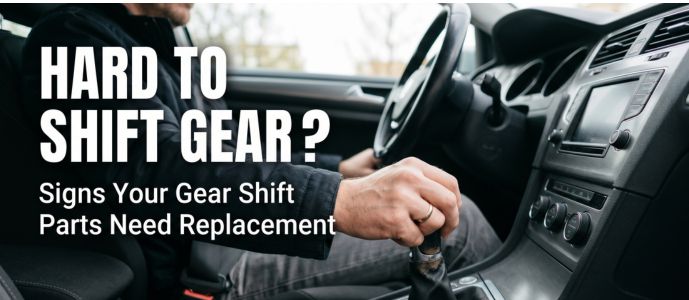
Hard to Shift Gears? Signs Your Gear Shift Parts Need Replacement
If your car has become difficult to shift gears, feels stiff, grinds during changes, or refuses to go into gear smoothly, something in the gear shift system may be wearing out. Many drivers ignore these early signs until shifting becomes unsafe or the transmission suffers damage.
In this guide, we’ll explain the common reasons shifting becomes hard, the warning signs that gear shift parts need replacement, and when larger drivetrain options like used automobile engines or used transmissions with warranty may make financial sense.
Why Gear Shifting Becomes Difficult
Your gear shift system relies on multiple parts working together:
- Gear shifter assembly
- Shift linkage or cable
- Clutch system (manual vehicles)
- Transmission internals
- Bushings and mounts
- Hydraulic components
- Sensors (modern automatics)
When one or more of these parts wear out, shifting can become rough or difficult.
Top Signs Your Gear Shift Parts Need Replacement
1. Shifter Feels Stiff or Tight
If the gear lever suddenly requires extra force, worn linkage, cable binding, or dry pivot points may be the cause.
Common Fix:
- Lubrication
- Cable adjustment
- Linkage replacement
2. Grinding While Changing Gears
Grinding often means gears are not engaging correctly.
Possible Causes:
- Worn synchronizers
- Clutch not disengaging fully
- Low transmission fluid
If ignored, repair costs rise quickly.
3. Won’t Go Into Gear
This is a serious warning sign.
Causes:
- Broken shift cable
- Clutch hydraulic failure
- Internal transmission damage
Immediate diagnosis is recommended.
4. Gear Lever Feels Loose
If the shifter has excessive play or feels sloppy:
Likely Issues:
- Worn bushings
- Loose linkage hardware
- Damaged shifter assembly
These are often affordable fixes if caught early.
5. Clunking or Clicking While Shifting
Unusual noises during shifts often point to worn mounts or linkage wear.
Check:
- Engine mounts
- Transmission mounts
- Shift cable ends
6. Delayed Engagement in Automatic Cars
If you shift from Park to Drive and nothing happens for a moment:
Causes:
- Low fluid
- Solenoid issues
- Valve body wear
Persistent delay may indicate deeper transmission trouble.
7. Dashboard Warning Lights
Modern vehicles may trigger:
- Check engine light
- Transmission warning
- Gear selector fault messages
Scanning codes can save time and money.
What Parts Commonly Need Replacement?
Depending on the vehicle, these parts fail most often:
- Shift cable
- Shift linkage bushings
- Gear selector assembly
- Clutch master/slave cylinder
- Transmission mounts
- Shifter knob/mechanism
- Internal synchronizers
How to Diagnose Hard Shifting
Step 1: Check When It Happens
Ask:
- Only when cold?
- Only first gear/reverse?
- All gears?
- Engine running only?
This helps identify the source.
Step 2: Inspect Fluid Levels
Low or dirty transmission fluid often causes rough shifts.
Step 3: Feel the Shifter Movement
Loose, stiff, or inconsistent movement gives clues about cables and linkage.
Step 4: Get Professional Inspection
A mechanic can test clutch operation, scan codes, and inspect underbody components.
Affordable Fixes Before Major Repairs
Many hard-shift problems are cheaper than people expect.
Common Lower-Cost Solutions:
- Fluid service
- Linkage adjustment
- Cable replacement
- Bushing replacement
- Clutch hydraulic repair
- Mount replacement
These repairs can restore smooth shifting quickly.
When the Transmission Is the Real Problem
Sometimes the shift system is fine, but the transmission itself is failing.
Signs Include:
- Grinding in multiple gears
- Popping out of gear
- Slipping plus hard shifts
- Metal in fluid
- Repeated repair history
At this stage, many owners consider used transmissions with warranty instead of expensive rebuilds.
What About Engine Problems?
In some vehicles, poor engine performance can mimic shifting problems.
Examples:
- Low idle causing stall when engaging gear
- Misfires during acceleration
- Mount damage causing harsh shifts
When engine replacement becomes necessary, some owners look at used automobile engines to reduce total repair cost.
Why Used Drivetrain Parts Are Popular
Benefits of Used Options:
- Lower cost than new OEM units
- Faster availability
- Good fitment when matched correctly
- Practical for older vehicles
Choose tested units and warranty-backed sellers whenever possible.
Common Mistakes to Avoid
- Forcing the shifter aggressively
- Ignoring grinding sounds
- Driving with low fluid
- Delaying clutch repairs
- Buying random parts without diagnosis
How to Prevent Future Gear Shift Problems
- Change fluid on schedule
- Avoid resting hand on shifter
- Press clutch fully (manual cars)
- Repair leaks early
- Address small symptoms quickly
Final Thoughts
Hard shifting is often an early warning that gear shift components are wearing out. The good news is many problems involve cables, bushings, fluid, or mounts-not full transmission failure.
If deeper damage exists, used transmissions with warranty can be a smart money-saving solution. And if drivetrain issues include major engine wear, used automobile engines may help extend the vehicle’s life affordably.
Don’t ignore difficult shifting. Diagnose it early, repair it correctly, and you can avoid much larger repair bills later.