
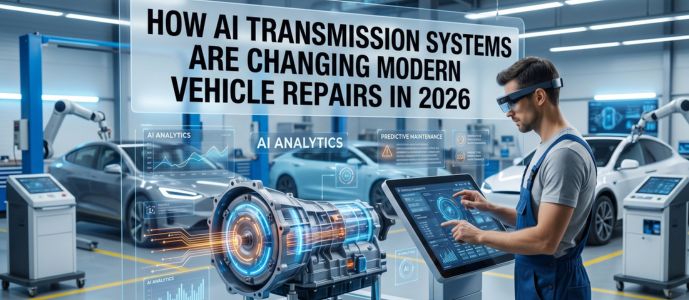
How AI Transmission Systems Are Changing Modern Vehicle Repairs in 2026
Modern vehicles in 2026 are becoming increasingly intelligent, with artificial intelligence now playing a major role in automotive performance, diagnostics, and repair systems. One of the biggest changes in the automotive industry is the rise of AI-controlled transmission systems. These advanced transmissions use real-time data, sensors, predictive learning, and automated software adjustments to improve shifting performance, fuel efficiency, and driving comfort.
While these technologies improve vehicle performance, they are also making repairs more complex and expensive. As transmission repair costs continue rising, many drivers are now turning to affordable solutions such as used auto parts and used transmissions with warranty to reduce maintenance expenses.
This guide explains how AI transmission systems work, why repairs are becoming more advanced in 2026, and how drivers can manage repair costs more effectively.
What Are AI Transmission Systems?
AI transmission systems use:
- Artificial intelligence
- Machine learning algorithms
- Real-time sensor monitoring
- Electronic control modules
- Adaptive driving software
to automatically optimize transmission performance based on:
- Driving habits
- Road conditions
- Traffic patterns
- Engine load
- Fuel efficiency needs
These systems continuously learn and adjust transmission behavior for smoother and more efficient driving.
Why Automakers Are Using AI Transmissions
Manufacturers are rapidly adopting AI-assisted transmissions because they help:
- Improve fuel economy
- Reduce emissions
- Enhance shifting smoothness
- Improve acceleration response
- Support hybrid and EV systems
- Optimize performance automatically
AI systems also work closely with:
- Autonomous driving features
- Adaptive cruise control
- Smart braking systems
- Hybrid powertrains
This creates a more responsive driving experience.
Why Transmission Repairs Are Becoming More Complex
Traditional transmissions mainly relied on:
- Mechanical components
- Hydraulic pressure
- Manual linkage systems
Modern AI transmissions now depend heavily on:
- Sensors
- Software programming
- Electronic modules
- Cloud-based diagnostics
- Adaptive control systems
As a result, repairs increasingly require:
- Specialized software tools
- Advanced diagnostics
- Electronic recalibration
- Programming expertise
This significantly increases repair complexity and labor costs.
Common AI Transmission Problems in 2026
Drivers frequently experience:
- Delayed shifting
- Gear hesitation
- Transmission warning lights
- Electronic communication errors
- Sudden limp mode activation
- Rough gear changes
- Sensor failures
In many cases, software issues can trigger mechanical symptoms even when internal transmission components remain functional.
Why Sensor Failures Cause Major Problems
AI transmissions rely on multiple sensors that monitor:
- Speed
- Pressure
- Temperature
- Torque output
- Gear position
If even one sensor fails, the transmission may:
- Shift incorrectly
- Lose power
- Enter safety mode
- Display warning messages
Small electronic problems can now affect overall vehicle drivability.
Heat Is a Major Transmission Threat
Modern vehicles generate significant heat from:
- Turbocharged engines
- Heavy traffic
- Towing loads
- Hybrid systems
- Performance driving
Excessive heat can damage:
- Electronic control units
- Wiring systems
- Shift solenoids
- Internal clutches
AI systems help monitor temperatures, but overheating remains a major repair concern.
Why Hybrid Vehicles Increase Transmission Complexity
Hybrid vehicles combine:
- Electric motors
- Gasoline engines
- Regenerative braking
- AI energy management systems
This creates highly advanced transmission communication networks.
Hybrid transmission repairs often involve:
- Software synchronization
- Battery communication
- Electric drive integration
- Power management systems
Repair procedures are becoming increasingly technical.
How AI Improves Predictive Maintenance
One major advantage of AI systems is predictive maintenance.
Modern transmission software can detect:
- Fluid degradation
- Internal wear patterns
- Shift timing irregularities
- Heat buildup
- Pressure inconsistencies
before severe damage occurs.
This helps drivers:
- Prevent breakdowns
- Schedule repairs earlier
- Reduce long-term repair costs
Why Repair Costs Continue Rising
Transmission repairs in 2026 are more expensive because vehicles now require:
- Specialized technicians
- Advanced diagnostic equipment
- Software programming
- Electronic calibration
Even simple repairs may involve:
- Sensor replacement
- ECU updates
- Transmission relearning procedures
Labor costs continue increasing across the industry.
Why Used Auto Parts Are Growing in Popularity
To reduce rising repair expenses, many drivers now choose:
- Used auto parts
because they offer:
- Lower prices
- OEM compatibility
- Faster availability
- Reliable replacement options
OEM salvage components are often sourced from:
- Low-mileage vehicles
- Insurance auctions
- Professional auto recyclers
These parts help lower repair costs significantly.
Benefits of Used Transmissions with Warranty
Transmission replacement can be extremely expensive in modern vehicles.
This is why many drivers now search for:
- Used transmissions with warranty
These replacement units offer:
- Lower upfront costs
- OEM factory compatibility
- Tested reliability
- Added warranty protection
Warranty-backed used transmissions help reduce financial risk while restoring vehicle performance.
Why Warranty Coverage Matters
Modern AI-controlled transmissions contain:
- Expensive electronics
- Precision components
- Complex software systems
Warranty coverage helps protect drivers from:
- Unexpected failures
- Defective components
- Hidden internal damage
Choosing warranty-backed transmissions provides greater peace of mind.
Importance of Software Updates
AI transmission systems rely heavily on software optimization.
Manufacturers frequently release updates to:
- Improve shifting performance
- Fix software bugs
- Enhance fuel efficiency
- Correct sensor communication errors
Ignoring software updates may increase transmission problems over time.
Why DIY Repairs Are Becoming Harder
Older transmissions were easier for independent mechanics and DIY owners to repair.
Modern AI transmissions often require:
- Factory-level scanners
- Programming tools
- Electronic calibration systems
- Specialized training
Improper repairs can create additional software and drivability issues.
Common Driver Mistakes
Many drivers unknowingly increase transmission wear by:
- Ignoring warning lights
- Delaying fluid changes
- Overheating vehicles
- Towing excessively
- Driving aggressively
Routine maintenance remains critical even with AI-assisted systems.
Future of AI Vehicle Repairs
Experts expect future transmission systems to include:
- Self-diagnosing software
- Automated repair scheduling
- Cloud-connected maintenance alerts
- AI-assisted repair centers
- Predictive component replacement
Vehicle repairs will continue becoming more data-driven and automated.
Why Smart Diagnostics Matter in 2026
Modern diagnostic systems now help:
- Detect problems earlier
- Reduce catastrophic failures
- Improve maintenance planning
- Lower repair costs
Smart maintenance technology is becoming essential for modern vehicle ownership.
Environmental Benefits of Used Components
Using:
- Used auto parts
- Recycled transmission systems
helps reduce:
- Automotive waste
- Manufacturing demand
- Scrap metal disposal
- Environmental impact
Vehicle recycling plays a growing role in sustainable automotive repair.
Final Thoughts
AI transmission systems are transforming vehicle repairs in 2026 by improving performance, fuel efficiency, and predictive maintenance capabilities. However, these advanced electronic systems are also increasing repair complexity and transmission service costs.
As repairs become more expensive, many drivers are turning to affordable solutions such as used auto parts and used transmissions with warranty to restore vehicle performance while controlling expenses.
With proper maintenance, early diagnostics, software updates, and reliable replacement components, drivers can reduce the risk of major transmission failures and keep modern vehicles operating smoothly for years to come.