
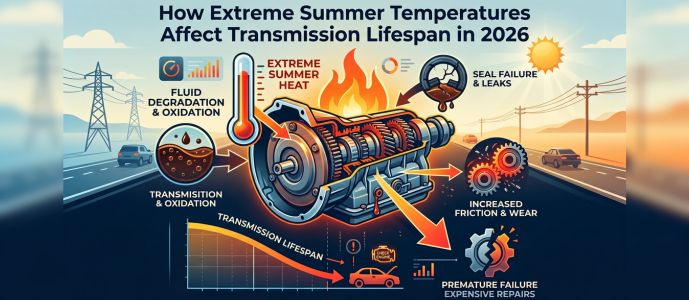
How Extreme Summer Temperatures Affect Transmission Lifespan in 2026
Summer temperatures continue to reach record highs across many parts of the country in 2026, creating new challenges for vehicle owners. While most drivers understand the effects of extreme heat on engines, batteries, and cooling systems, fewer realize how significantly high temperatures can impact transmission performance and longevity.
The transmission is one of the most complex and expensive components in any vehicle. It relies heavily on fluid lubrication, precise hydraulic pressure, and electronic controls to function properly. When temperatures rise, transmission systems face increased stress that can accelerate wear, reduce efficiency, and lead to costly repairs.
As transmission failures become more common during hot weather, many drivers are turning to solutions such as a used transmission for sale and sourcing reliable used auto parts to manage repair expenses. Understanding how extreme heat affects transmissions can help vehicle owners prevent premature failures and extend transmission lifespan.
Why Heat Is the Biggest Enemy of a Transmission
Automatic transmissions generate heat naturally during operation.
Transmission fluid serves several critical functions:
- Lubricating internal components
- Cooling moving parts
- Transferring hydraulic pressure
- Preventing friction damage
- Supporting smooth gear changes
When temperatures climb, transmission fluid must work harder to maintain proper operating conditions.
Excessive heat can quickly overwhelm the system.
The Ideal Transmission Operating Temperature
Most automatic transmissions perform best between:
- 175°F and 200°F (79°C to 93°C)
Within this range:
- Fluid viscosity remains stable
- Internal components receive proper lubrication
- Hydraulic pressure functions correctly
Once temperatures exceed recommended limits, transmission wear increases dramatically.
How Summer Heat Increases Transmission Stress
During hot weather, several factors combine to raise transmission temperatures.
Higher Ambient Temperatures
When outside temperatures exceed:
- 95°F
- 100°F
- 110°F
the transmission cooling system becomes less efficient.
Heat dissipation slows, causing internal temperatures to rise faster.
Stop-and-Go Traffic
Urban driving during summer places enormous strain on transmissions.
Frequent:
- Acceleration
- Braking
- Gear changes
generate additional heat buildup.
Heavy Loads
Towing trailers, hauling equipment, or carrying heavy cargo further increases transmission workload. The harder a transmission works, the more heat it produces.
What Happens When Transmission Fluid Overheats?
Transmission fluid begins to deteriorate as temperatures rise.
Fluid Breakdown
Overheated fluid may:
- Lose lubricating properties
- Oxidize more rapidly
- Form harmful deposits
- Reduce cooling effectiveness
This accelerates internal wear.
Seal Damage
Excessive heat can harden:
- Gaskets
- Seals
- O-rings
Damaged seals may lead to fluid leaks and pressure loss.
Clutch Wear
Modern automatic transmissions contain multiple clutch packs.
High temperatures increase friction and accelerate clutch degradation.
Once clutch materials begin wearing excessively, shifting problems often follow.
Warning Signs of Heat-Related Transmission Problems
Drivers should watch for several symptoms during summer months.
Delayed Shifting
The vehicle may hesitate before changing gears.
Hard Gear Engagement
Shifts may feel:
- Rough
- Abrupt
- Jerky
Transmission Slipping
The engine revs higher while vehicle acceleration decreases.
Burning Smell
Overheated fluid often produces a distinct burning odor.
Warning Lights
Modern vehicles may display:
- Transmission warnings
- Check Engine Lights
- Powertrain alerts
These indicators should never be ignored.
Why Modern Vehicles Are More Vulnerable
Today’s vehicles use increasingly sophisticated transmissions.
Common designs include:
- 8-speed automatics
- 10-speed automatics
- Dual-clutch transmissions
- Continuously Variable Transmissions (CVTs)
While these systems improve efficiency, they also generate more heat and rely heavily on precise electronic controls.
As complexity increases, temperature management becomes even more important.
Impact on Transmission Electronics
Modern transmissions contain numerous electronic components.
Extreme heat can affect:
- Solenoids
- Sensors
- Wiring
- Control modules
Heat-related electrical failures often cause shifting issues and diagnostic trouble codes.
Why Transmission Failures Increase During Summer
Repair facilities consistently report more transmission problems during peak summer months.
Common contributing factors include:
- Aging transmission fluid
- High-mileage vehicles
- Insufficient cooling
- Heavy towing
- Extreme weather conditions
Older transmissions are especially vulnerable.
The Cost of Ignoring Overheating
Small heat-related issues can quickly escalate.
Potential consequences include:
- Complete transmission failure
- Torque converter damage
- Valve body problems
- Internal gear wear
- Expensive rebuilds
Addressing overheating early can prevent major repairs.
Preventive Maintenance Tips
Vehicle owners can take several steps to protect transmissions during hot weather.
Check Transmission Fluid Regularly
Inspect:
- Fluid level
- Fluid color
- Burnt odor
Healthy fluid should appear clean and properly maintained.
Service Cooling Systems
Transmission cooling often depends on the vehicle’s radiator system.
Ensure:
- Radiators are clean
- Cooling fans operate properly
- Coolant levels remain correct
Avoid Excessive Towing in Extreme Heat
Heavy towing during very hot conditions places tremendous strain on transmissions.
Reduce load when possible.
Follow Maintenance Schedules
Routine fluid changes help maintain optimal transmission performance.
When Replacement Becomes Necessary
In severe cases, overheating may cause irreversible internal damage.
Drivers facing major transmission failure often explore a used transmission for sale as a more affordable alternative to purchasing a brand-new unit.
Used transmissions can provide:
- Lower repair costs
- OEM compatibility
- Faster availability
- Reliable performance when properly inspected
Benefits of Using Used Auto Parts
Many vehicle owners choose used auto parts during major repairs because they offer:
- Cost Savings: Used components typically cost much less than new replacements.
- OEM Quality: Original manufacturer parts maintain factory specifications.
- Improved Availability: Many transmission models are readily available through reputable suppliers.
- Environmental Benefits: Reusing automotive components supports recycling and reduces waste.
Choosing a Quality Replacement Transmission
Not all used transmissions are equal.
When evaluating a replacement unit, consider:
- Mileage history
- Inspection reports
- Warranty coverage
- Vehicle compatibility
- Supplier reputation
Careful selection helps ensure long-term reliability.
Future Transmission Technologies
Automakers continue developing advanced systems designed to improve thermal management.
Emerging innovations include:
- AI-based temperature monitoring
- Predictive maintenance systems
- Enhanced cooling technologies
- Smarter transmission control modules
- Improved fluid formulations
These advancements aim to reduce heat-related failures in future vehicles.
Why Drivers Should Take Summer Heat Seriously
Many drivers focus on engine cooling but overlook transmission protection.
However, transmission repairs often rank among the most expensive automotive maintenance costs.
Proactive maintenance can significantly extend transmission lifespan while reducing repair expenses.
Final Thoughts
Extreme summer temperatures place enormous stress on modern transmission systems. High heat accelerates fluid breakdown, increases internal wear, damages seals, and can eventually lead to complete transmission failure if left unchecked.
By monitoring transmission health, maintaining cooling systems, servicing fluids regularly, and addressing warning signs early, drivers can significantly improve transmission longevity. For those facing major repairs, finding a dependable used transmission for sale and sourcing reliable used auto parts can provide a cost-effective solution while maintaining vehicle performance.
As summers continue getting hotter in 2026, understanding the relationship between temperature and transmission health has never been more important for vehicle owners seeking long-term reliability.